


BOLD Performance Axle-Back Exhaust
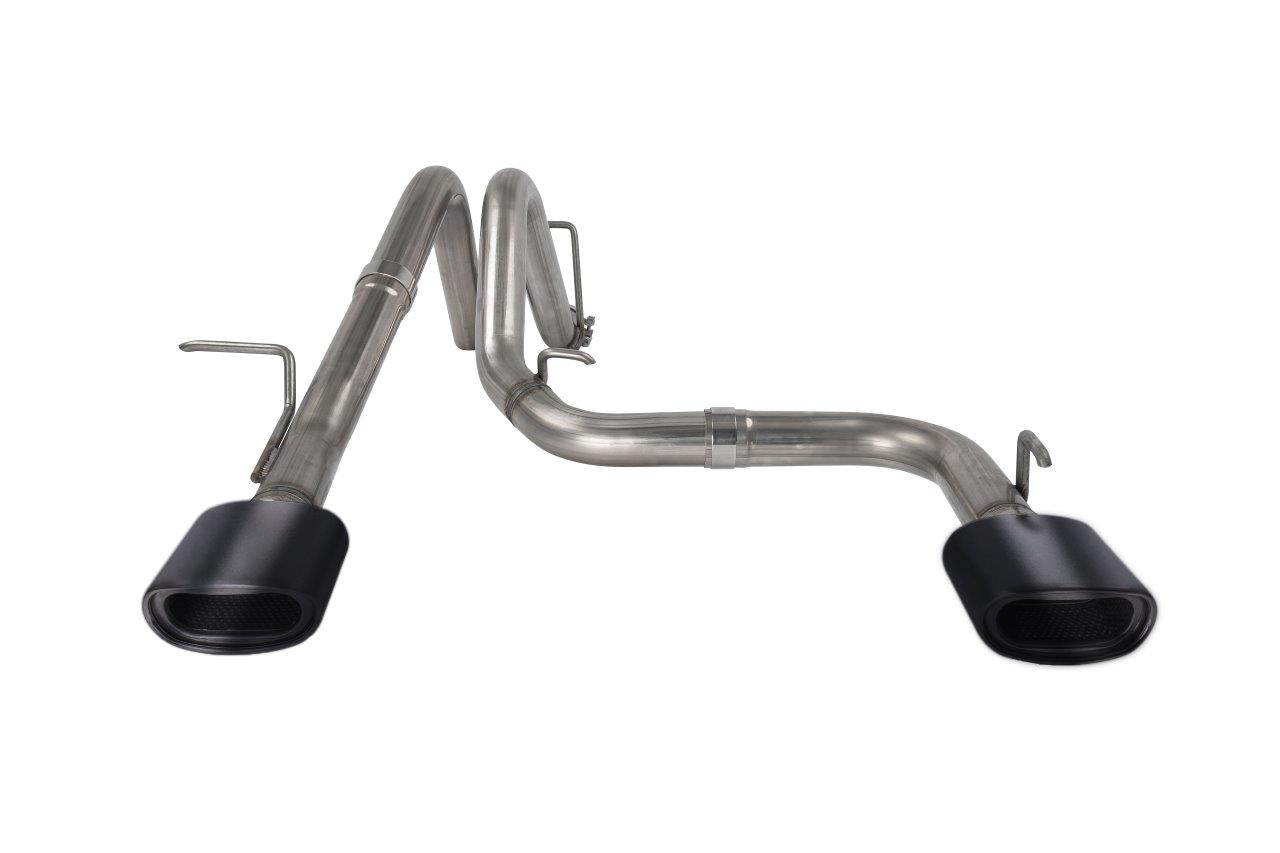
P/N# RBD-A1063F-06 or
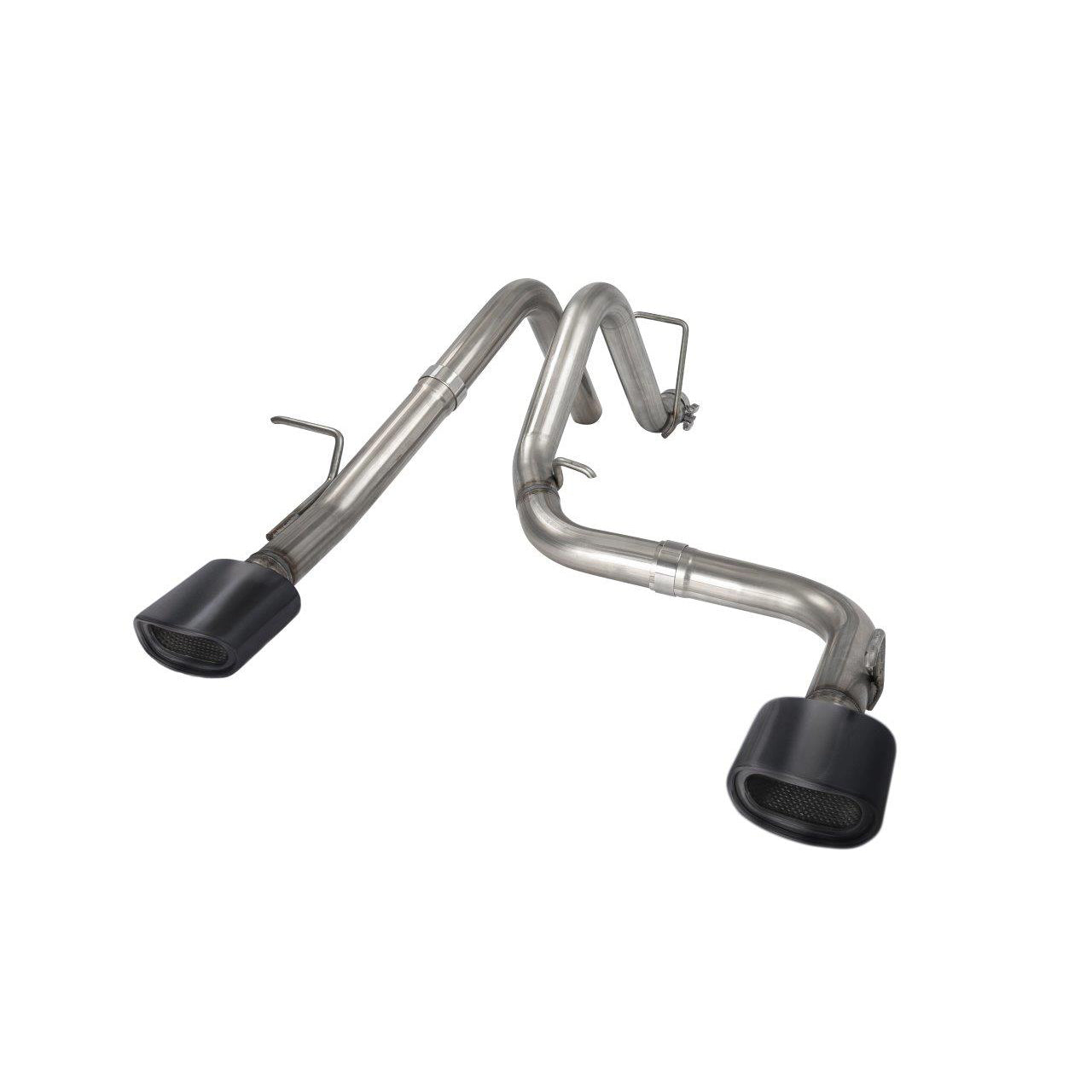
P/N# RBD-A1063F-06B
Compatible Wheelbase Application:
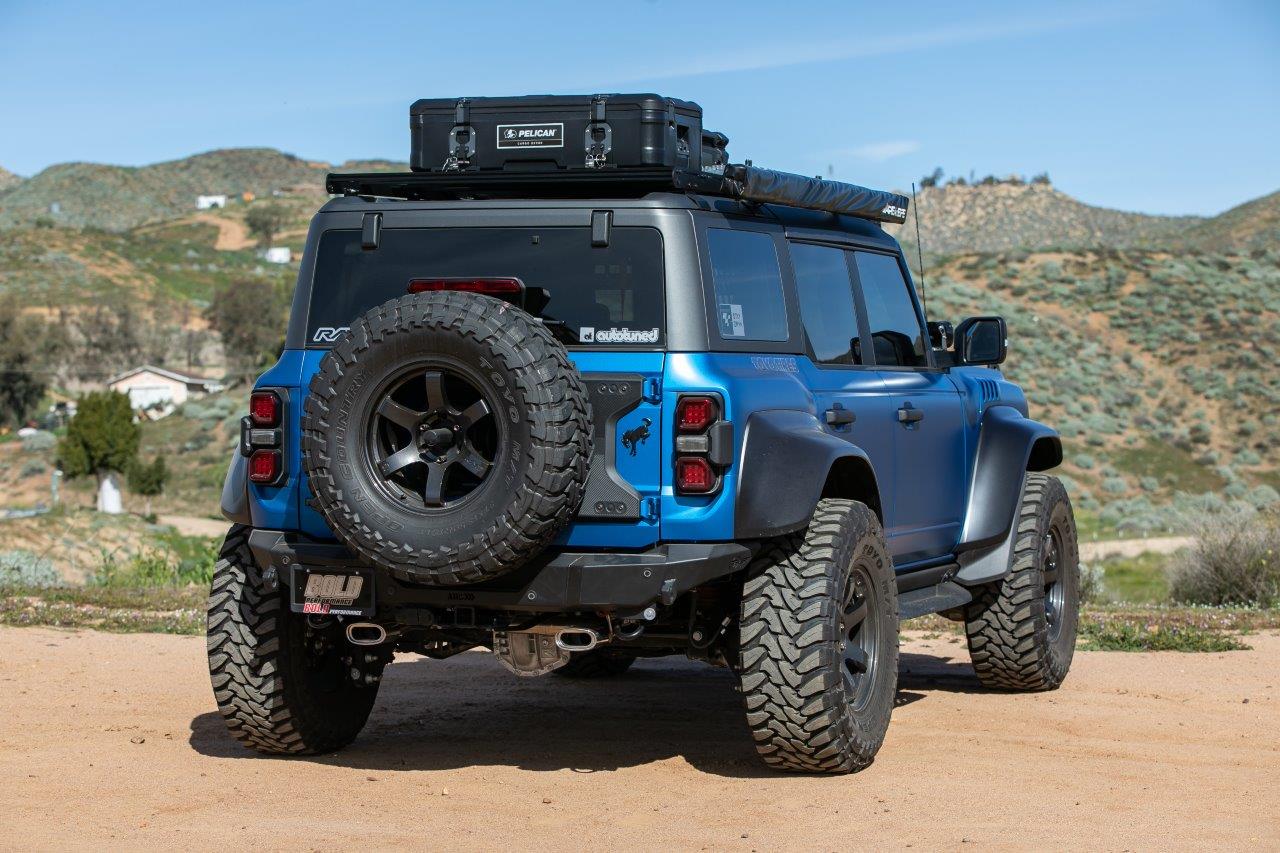
- 2022-Present FORD Bronco Raptor V6 3.0L TT
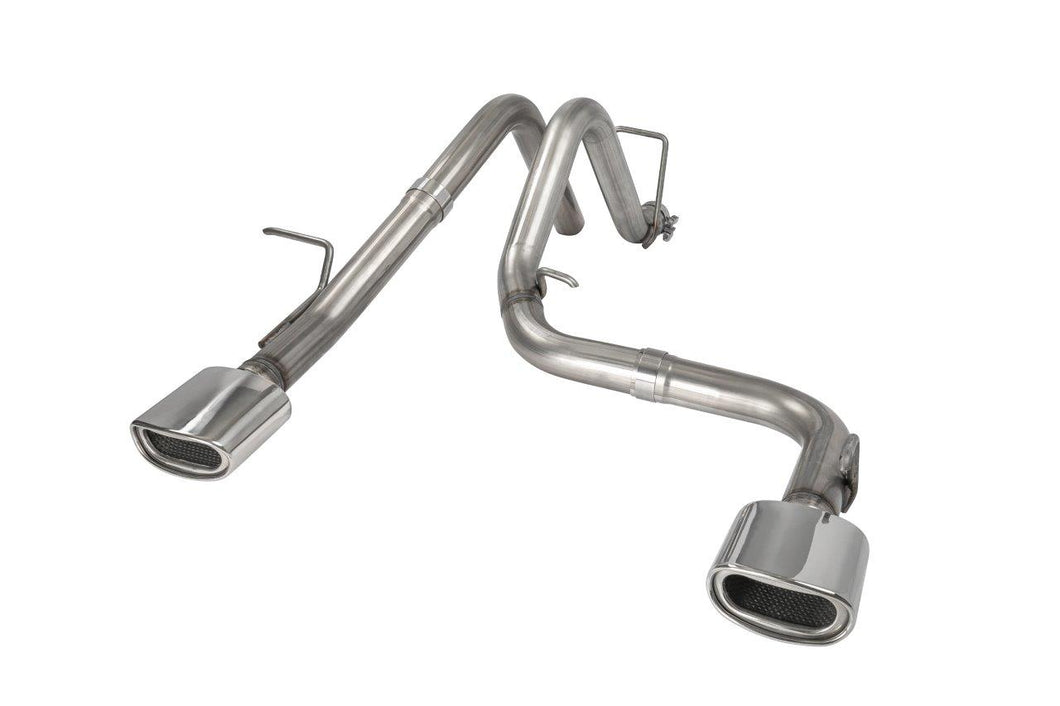
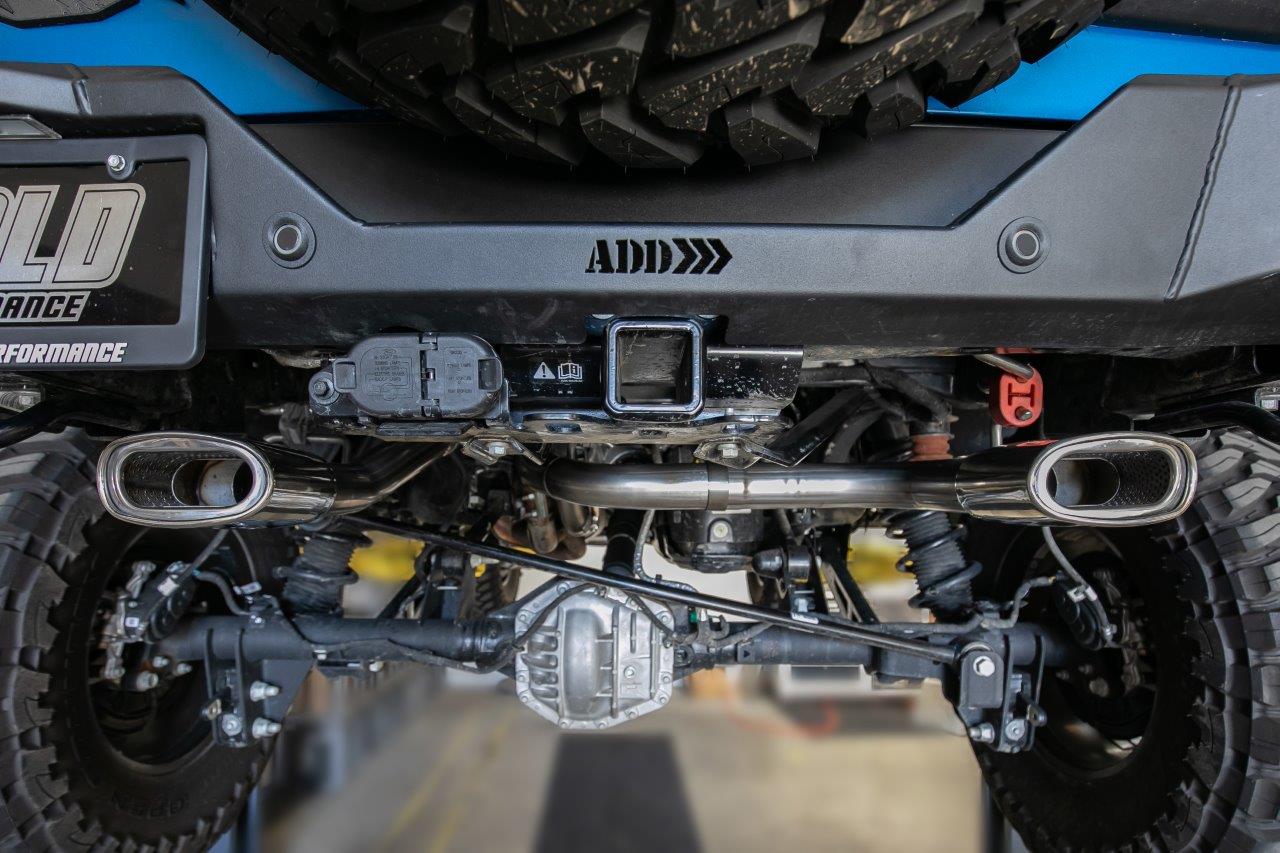
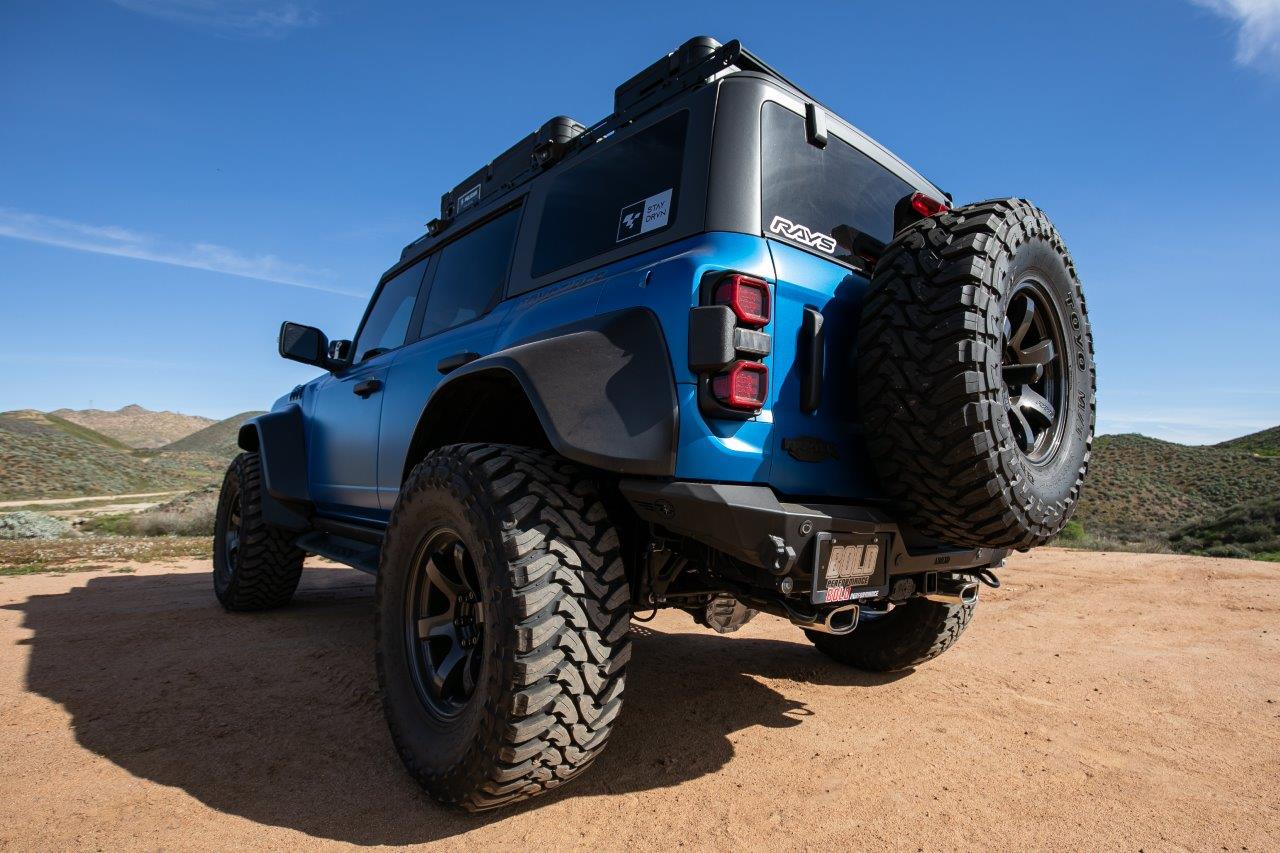
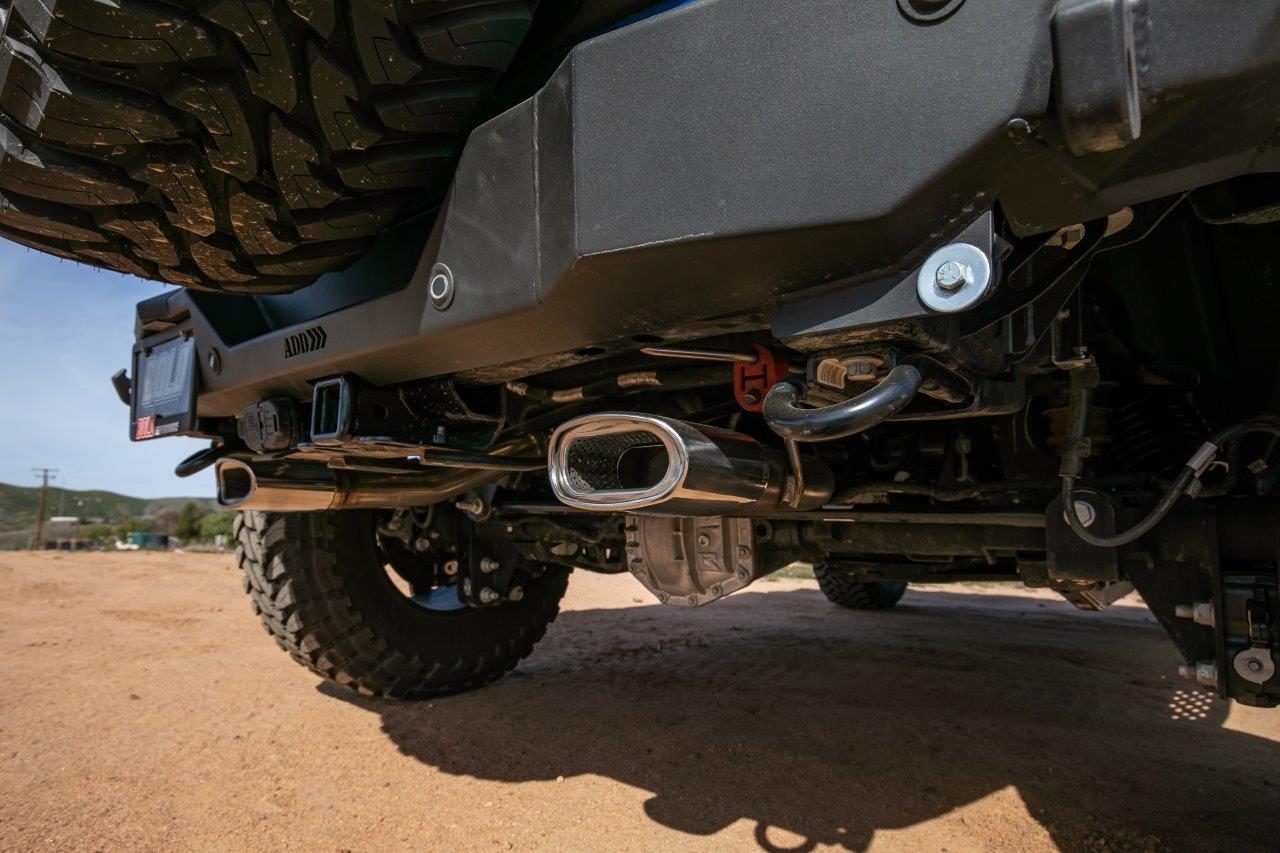
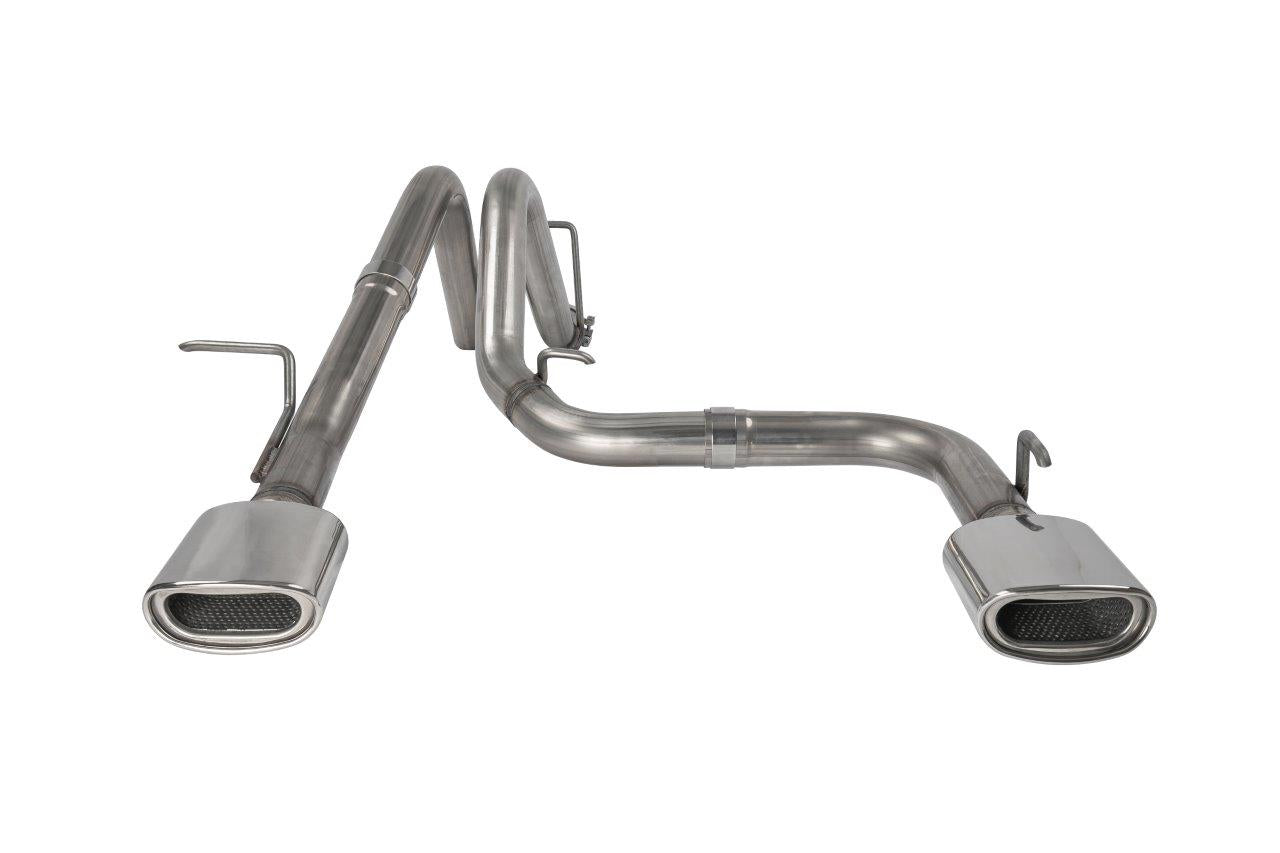
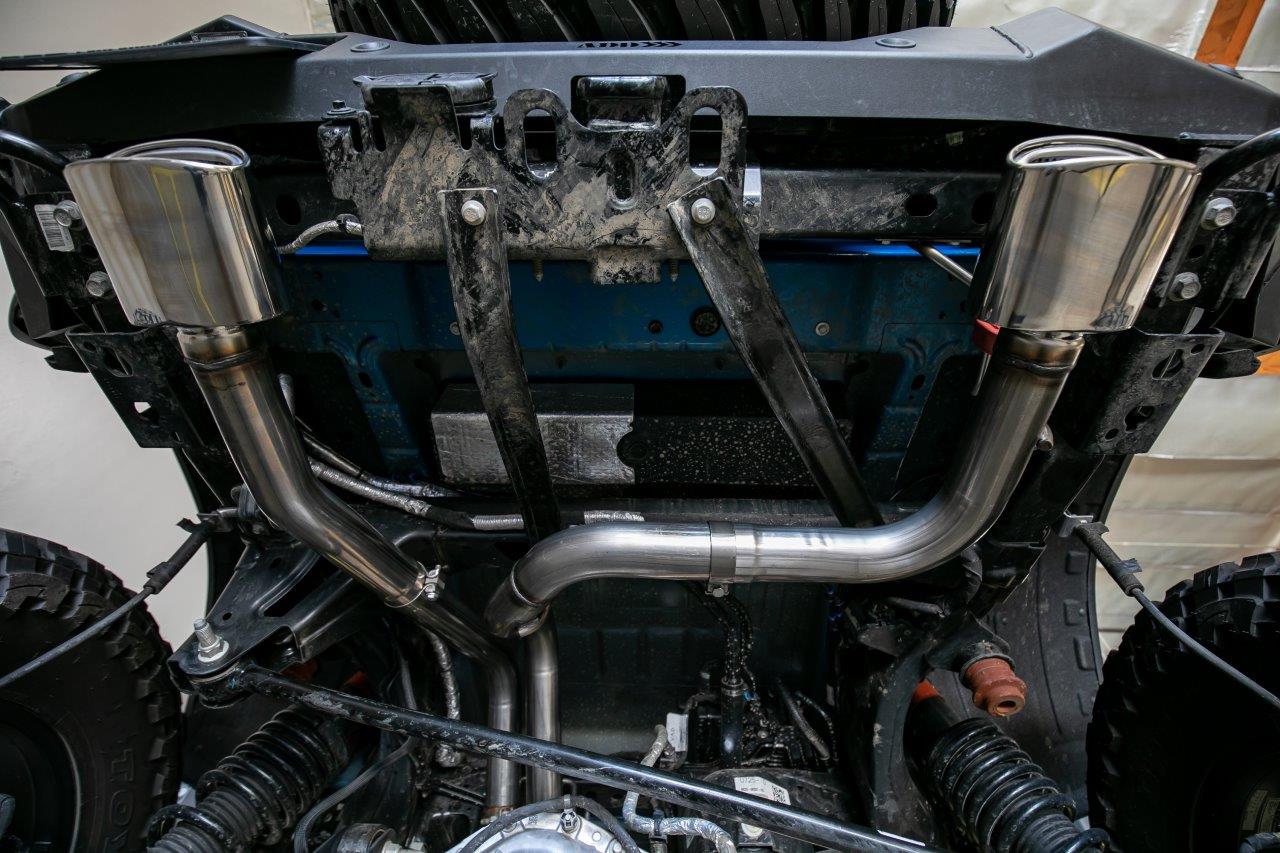
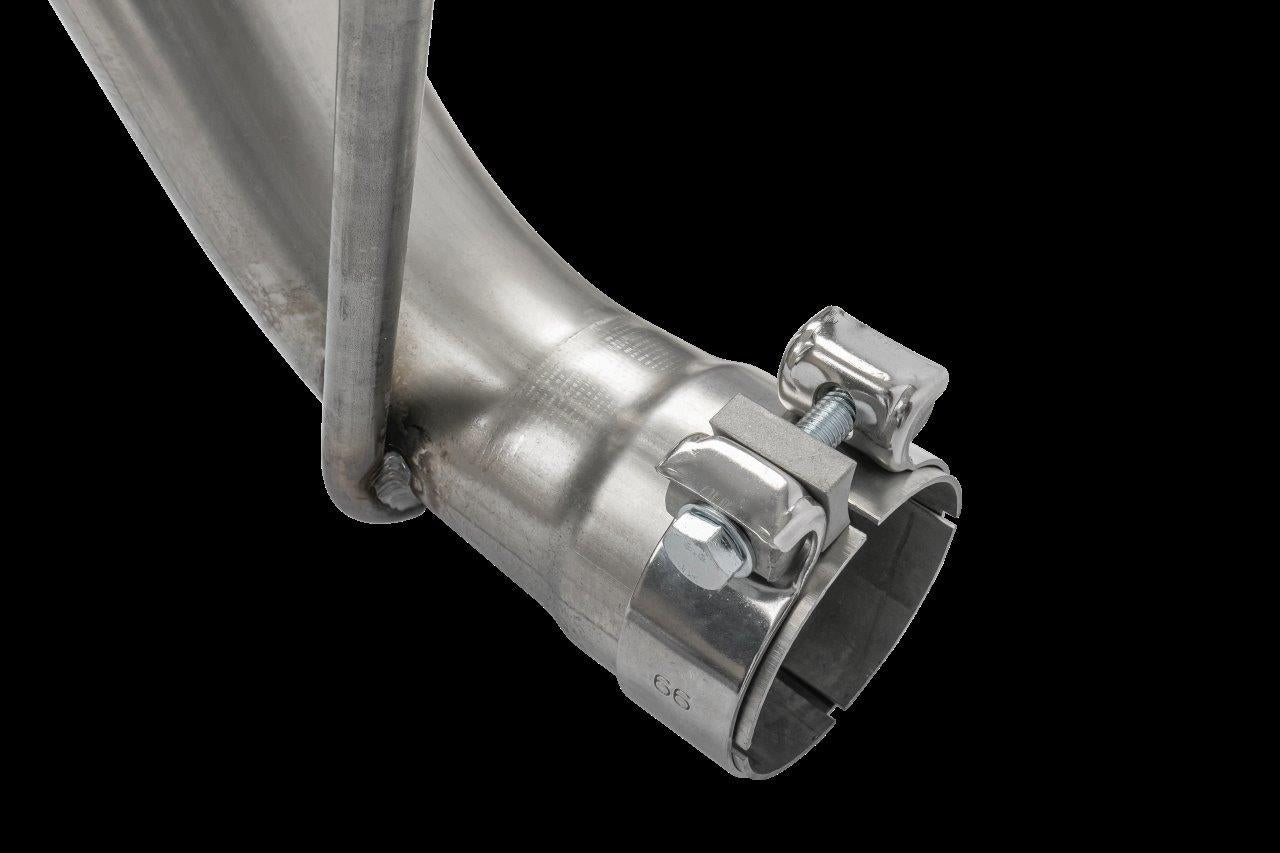
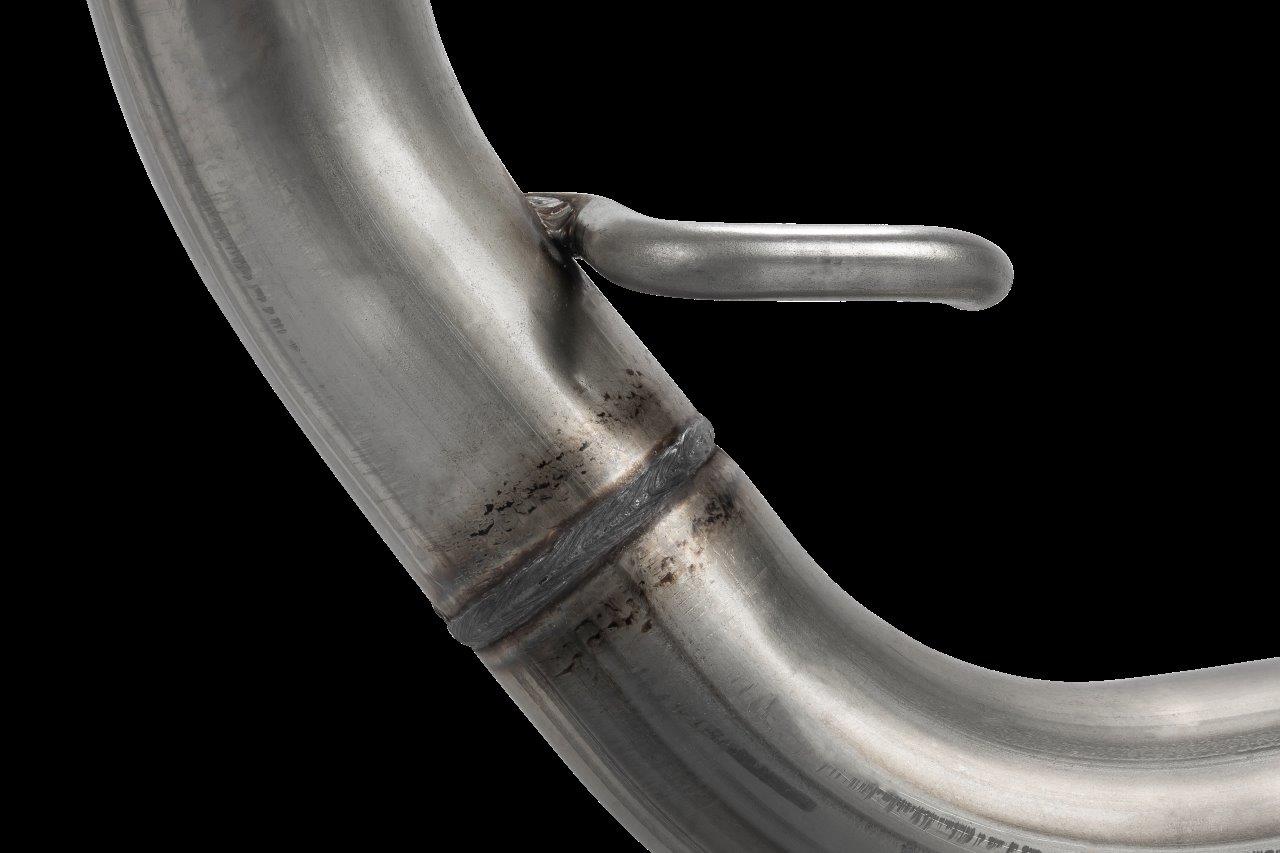
BOLD Performance Hi-Clearance axle-back exhaust system offers cost effective solution to toughen up your Ford Bronco Raptor 2022+ V6 3.0L TT. Our exhaust system designed with a high clearance, high tuck exhaust solution to take on any obstacle. Rev up and go off the grid.
Features:
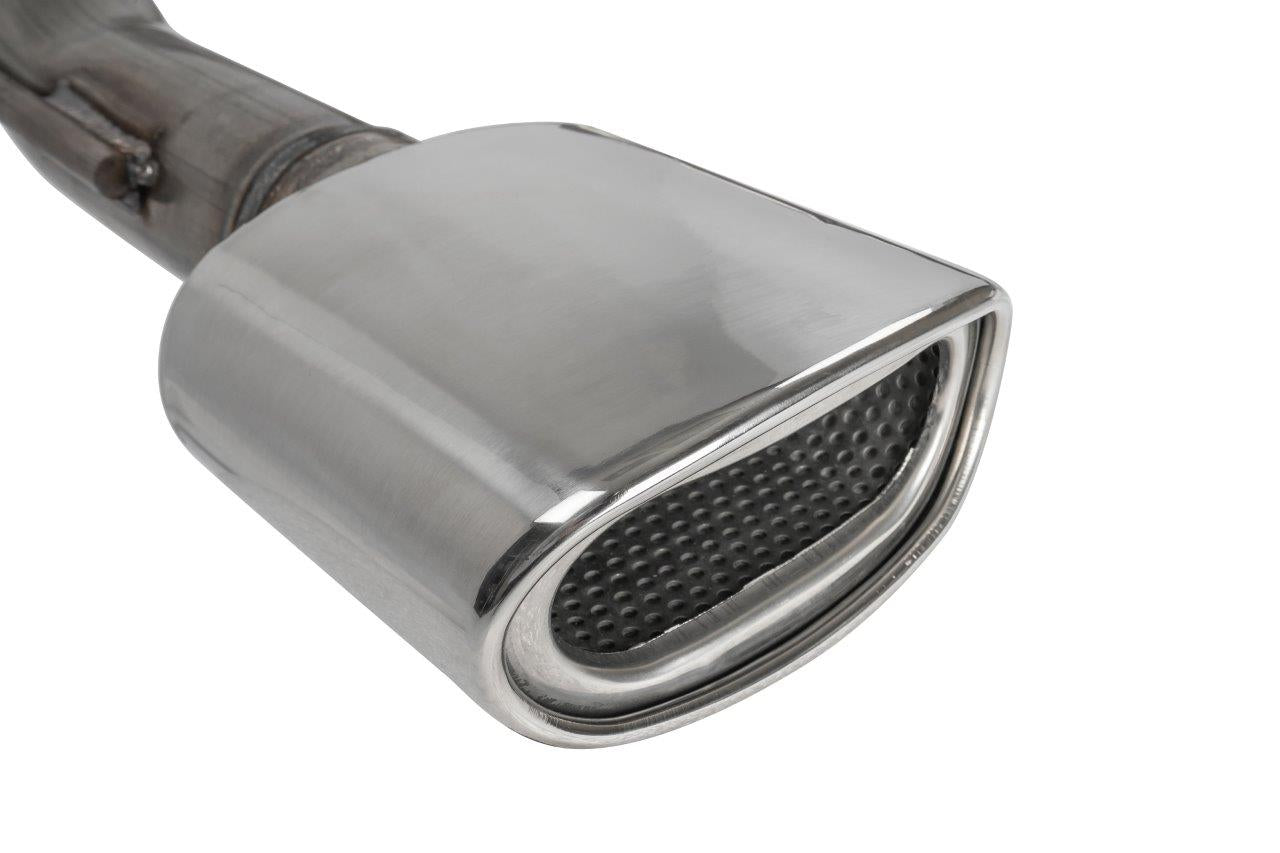
- 304 Stainless Steel Construction
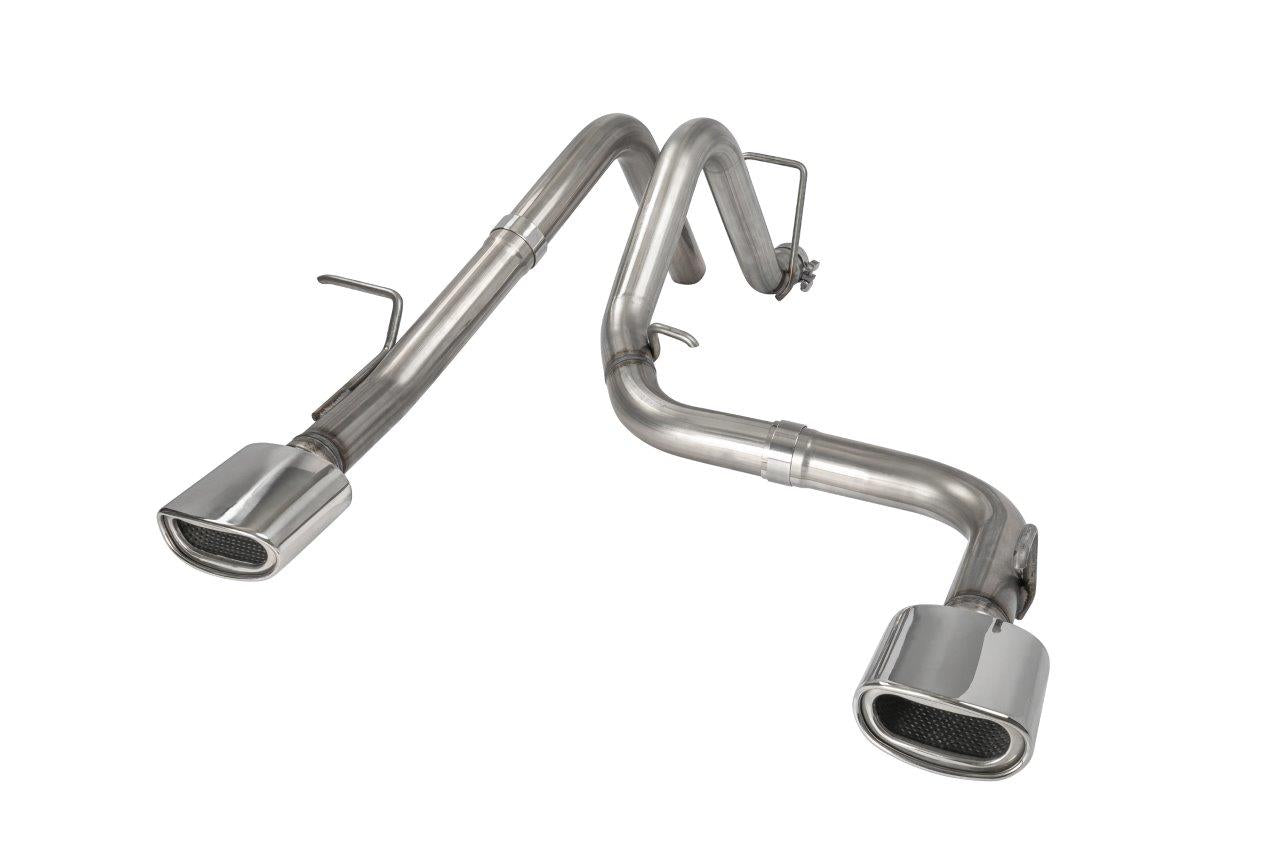
- Dual Tip Hi-Clearance Axle-Back Design
- Retains Ford’s OEM adjustable 4-mode exhaust selectable options
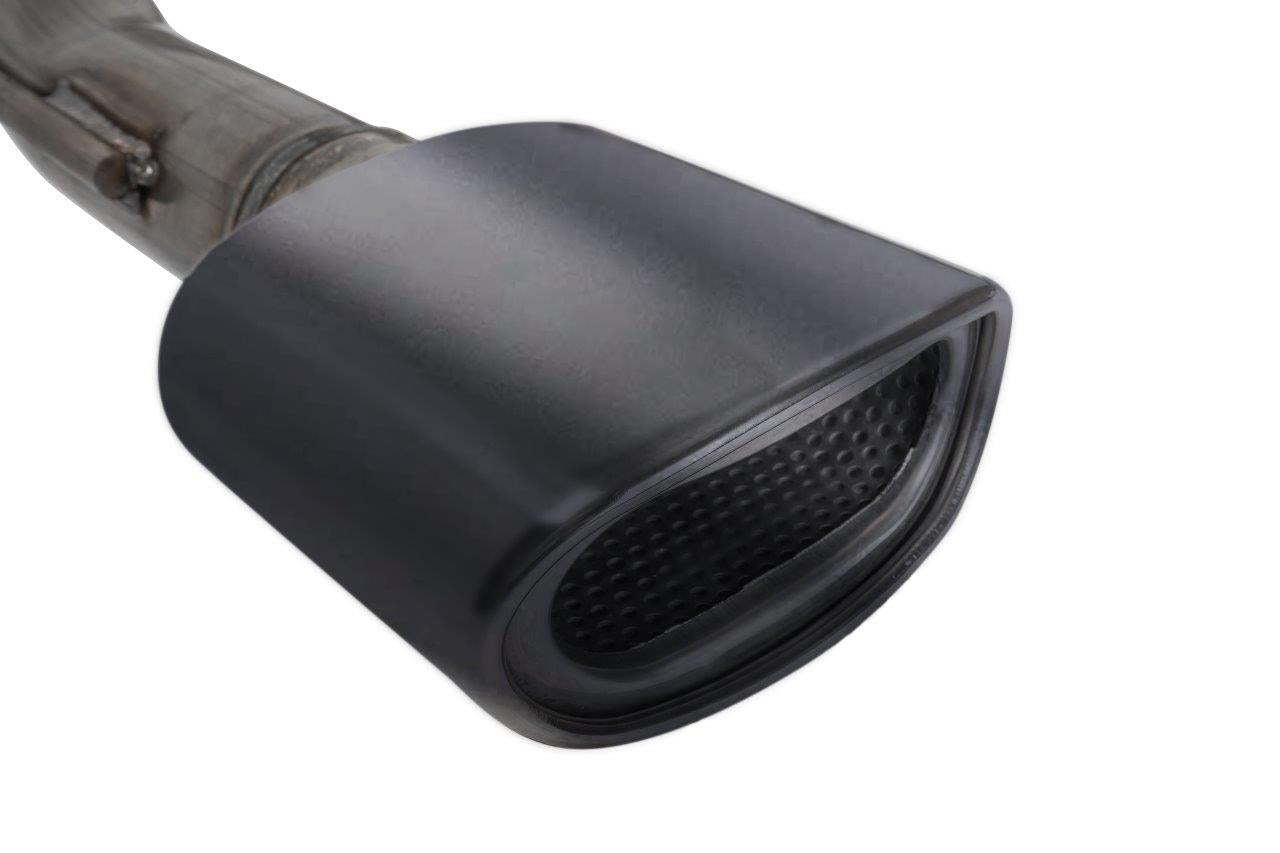
- Unique polished 304 Stainless Steel rectangular tips with integrated resonators offer high ground clearance while maintaining that aggressive appearance
- 100% bolt-on with no modifications necessary
- FREE Shipping to Continental US (Lower 48 states) & Canada
Sound Clip (Repost from IG: overland.tv)
Why T304 Stainless Steel? (AI Overview)
T304 stainless steel is chosen over Aluminum/Aluminized steel and T409 stainless primarily for its superior, long-term corrosion resistance and durability in harsh environments. It features high chromium (approx. 18-20%) and nickel (approx. 8-10%) content, preventing rust in salty or wet conditions, whereas 409 develops surface rust and aluminized steel eventually corrodes.
Is T304 Stainless Steel Rust Free? (AI Overview)
T304 (or 304) stainless steel is highly resistant to rust and corrosion, but it is not completely rust-proof. It is considered the industry standard for "stainless" because it resists rust in most normal, everyday environments (like kitchen appliances, indoor sinks, and clean, dry environments) for many years.
However, T304 can still rust under specific, harsh conditions:
- Chloride/Salt Exposure: Coastal areas, saltwater exposure, or contact with salts can cause pitting and rust, as 304 is sensitive to chloride.
- Harsh Chemicals: Exposure to bleach, muriatic acid, or strong cleaning products can break down the protective chromium oxide layer.
-
Contamination: If 304 comes into contact with iron particles or mild steel, those contaminants will rust, causing "surface rust" that appears to be on the stainless steel.
- High Humidity/Water: Long-term exposure to water, especially if not cleaned regularly, can cause surface staining or corrosion.
For environments with high salt or chemical exposure, 316 stainless steel is generally preferred over 304.